


Specialized Muscoloskeletal Conditions
TRAUMATOLOGY AND ORTHOPEDICS

Traumatology and orthopedics are medical specialties that deal with the musculoskeletal system, including bones, muscles, tendons, and joints. Traumatology focuses on the treatment of traumatic injuries (such as sprains, fractures, sports injuries, wounds, and dislocations), while orthopedics focuses on congenital or acquired diseases like osteoarthritis and deformities of the musculoskeletal system. Conventional treatments include fracture reduction, immobilization with casts or splints, surgery to repair broken bones or torn ligaments, rehabilitation. surgery to correct deformities, joint replacements, physical therapy, pain and inflammation management with medications.
At SCHI, we recognize the need for radical surgical interventions when there is severe injury and/or deformations. We combine the best of both worlds by enhancing and accelerating healing and recovery by combining our stem cell and regenerative technologies with surgical intervention when necessary for the best possible outcomes—reducing recovery time, reducing dramatically or eliminating the need for medications, and enhancing quality of life by getting the patient back to a more rejuvenated state with SCHI’s comprehensive regenerative therapies. We recognize that healing at the cellular level is multidimensional and we address all aspects of healing.
Osteoporosis
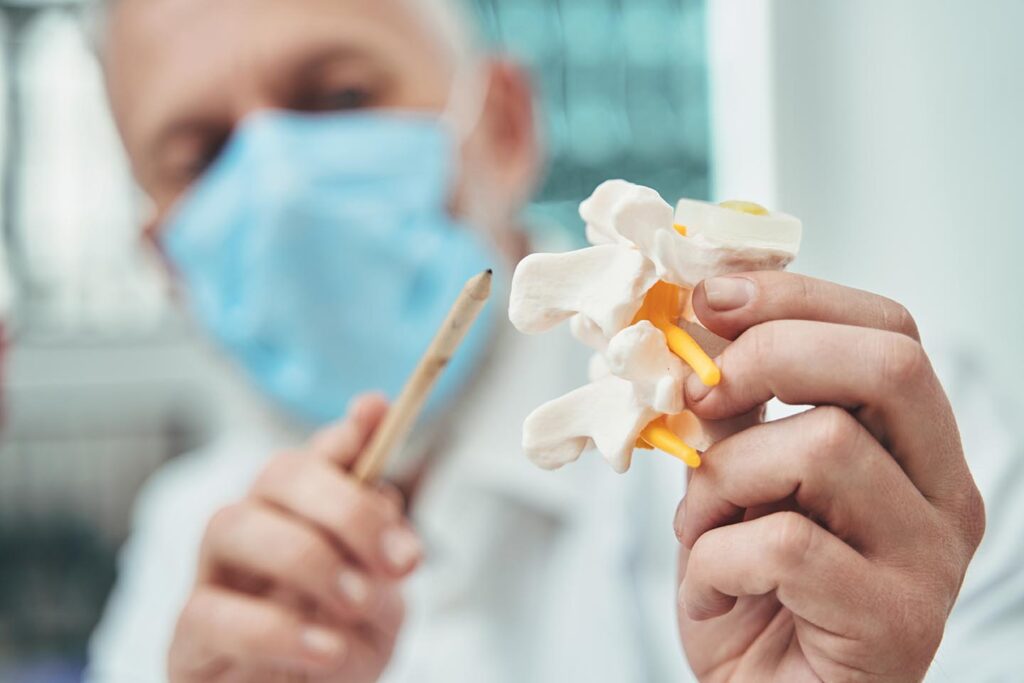
The use of stem cells for tissue regeneration has generated great hope in various fields of medicine, including musculoskeletal disorders such as osteoporosis. Stem cell therapy for osteoporosis can potentially increase lost bone mineral density by increasing the number of stem cells or restoring the function of resident stem cells that can proliferate and differentiate into bone-forming cells, thus reducing susceptibility to fractures. Stem cells promote the generation of new bone tissue as well as new connective tissue. This regenerative system uses stem cells to rebuild and strengthen bones. Stem cell therapy could help reverse the effects of osteoporosis.
Pseudoarthrosis
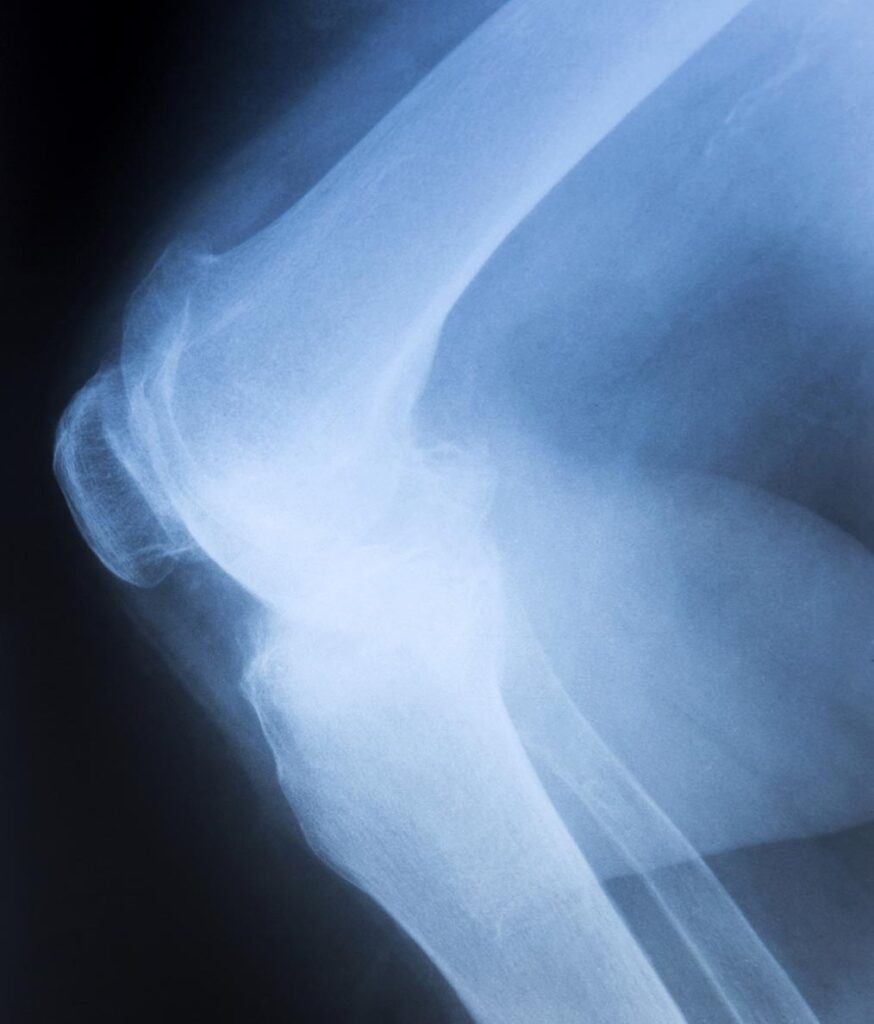
Stem cell therapy is a promising option that involves using mesenchymal stem cells to stimulate the healing of bones that have not healed properly after a fracture. These cells, which can be extracted from bone marrow or adipose tissue, have the ability to differentiate into bone cells (osteoblasts) and secrete signals that attract other cells to form new bone. How does the treatment work?
- Stem Cell Extraction and Proprietary Cocktail:
Mesenchymal stem cells can be obtained from various sources, such as the patient’s own bone marrow, adipose tissue, umbilical cord and/or endometrial tissue. These are combined with exosomes, growth factors, and various ingredients into SCHI’s personalized and proprietary cocktail and prepared for injection and various deployments.
- Culture and Expansion:
The stem cells are cultured in the laboratory to increase their number, multiplying them until a sufficient quantity is obtained for treatment.
- Implantation:
The cultured stem cells are injected into the area of the pseudoarthrosis, where they begin to differentiate and promote the formation of new bone tissue.
- Stimulation of the Healing Process:
Mesenchymal stem cells also release growth factors and other molecules that stimulate the activity of existing bone cells, accelerating healing. Potential Benefits: Improved Bone Healing: Stem cells can help restore the structure and function of the affected bone. Reduced Pain and Inflammation: Bone regeneration can decrease the pain and inflammation associated with nonunion. Alternative to Surgery: In some cases, stem cell treatment can be an alternative to surgery, especially for patients with non-healing fractures. Improved
Quality of Life: By restoring bone function, the patient’s mobility and quality of life can be improved.
Bone Transplants
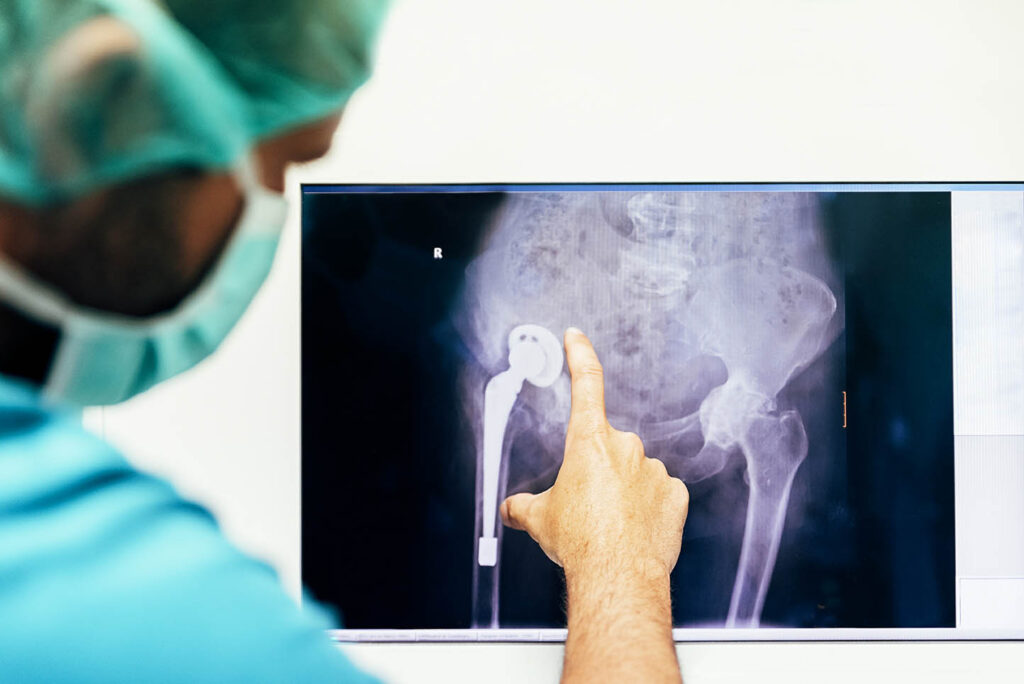
Stem cell therapy is a regenerative therapy that uses the properties of stem cells to stimulate the formation of new bone tissue and accelerate the healing of bone defects. These cells, especially mesenchymal stem cells (MSCs) derived from bone marrow, have the ability to differentiate into osteoblasts, the cells responsible for bone formation, and can also secrete growth factors that promote bone regeneration. How does it work?
- Stem Cell Extraction and SCHI’s Proprietary Cocktail:
Mesenchymal stem cells can be obtained from various sources, such as the patient’s own bone marrow, adipose tissue, umbilical cord and/or endometrial tissue. These are combined with exosomes, growth factors, and various ingredients into SCHI’s personalized and proprietary cocktail and prepared for injection and various deployments
- Cell Processing:
These cells are processed to isolate the mesenchymal stem cells and can be expanded in culture to obtain a greater quantity.
- Bone Grafting with Stem Cells:
Stem cells can be applied directly to the bone defect, often in combination with growth factors and/or bone graft materials (such as autologous or alloplastic bone grafts) to provide a scaffold for bone regeneration. Benefits: Bone Regeneration: Stimulates the formation of new bone tissue, promoting the healing of complex fractures, pseudoarthrosis (nonunion of a fracture), and bone defects caused by trauma, disease, or surgery. Improved Bone Healing: Accelerates the fracture healing process, reducing immobilization and rehabilitation time. Pain Reduction: By regenerating bone tissue, it can alleviate pain associated with bone problems. Alternative to Major Surgery: In some cases, it can be an alternative to more invasive bone reconstruction surgeries. Research and Clinical Applications: Stem cell therapy for bone regeneration is a constantly evolving field, with ongoing research to optimize treatment protocols and expand its applications. Its efficacy has been demonstrated in preclinical and clinical studies, with promising results in repairing bone defects in various situations. Clinical trials are essential to evaluate the safety and efficacy of this therapy in different patient populations and to determine the best treatment protocols. In summary, stem cell therapy offers a promising alternative for treating bone loss, harnessing the regenerative potential of stem cells to stimulate the formation of new bone tissue and enhance the healing of various bone conditions especially in chronic cases or those unresponsive to other treatments.
Tendinitis
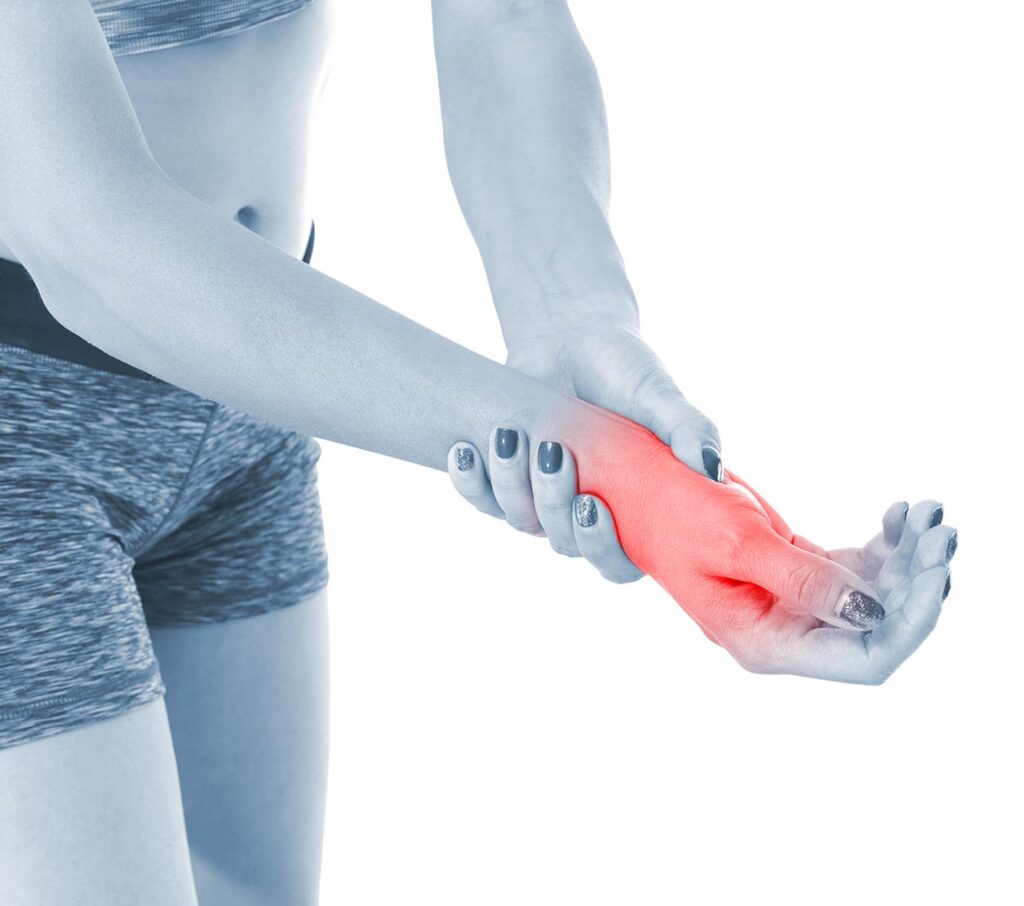
Stem cells, which have the ability to differentiate into various cell types, can help repair damaged tendon tissue, reduce inflammation, and relieve pain.
- Stem Cell Extraction and SCHI’s Proprietary Cocktail:
Mesenchymal stem cells can be obtained from various sources, such as the patient’s own bone marrow, adipose tissue, umbilical cord and/or endometrial tissue. These are combined with exosomes, growth factors, and various ingredients into SCHI’s personalized and proprietary cocktail and prepared for injection and various deployments
- Culture and Processing:
The extracted cells are cultured and processed to increase their number and prepare them for regenerating damaged tissue.
- Injection:
The processed stem cells are injected into the affected area of the tendon.
- Effects:
The injected stem cells can reduce inflammation, promote healing of damaged tissue, and help restore tendon function. Advantages of stem cell therapy: Tissue regeneration: Stem cells have the potential to regenerate damaged tendon tissue, which can lead to more complete healing than other treatments. Pain reduction: The therapy can help reduce the inflammation and pain associated with tendinitis. Faster recovery: In some cases, stem cell therapy can speed up recovery compared to other treatments. Alternative to surgery: It may be an option for people who don’t respond well to physical therapy or who wish to avoid surgery.
Muscle Injuries

Stem cell therapy is based on the ability of these cells to regenerate damaged tissue. Stem cells, obtained from sources such as bone marrow or adipose tissue, are injected into the injured area to stimulate muscle repair and regeneration. This therapeutic approach shows promise for accelerating recovery and reducing pain in muscle injuries, including tears and strains.
How do stem cells work in muscle regeneration?
Stimulating repair: Stem cells release growth factors and other substances that promote the proliferation and differentiation of new muscle cells.
Reducing inflammation: Some stem cells can help reduce inflammation in the injured area, which is crucial for healing.
Improving muscle function: By regenerating damaged tissue, stem cells are expected to improve muscle function and reduce pain associated with the injury.
Applications of stem cells in muscle injuries:
Muscle tears: Stem cells can help repair muscle tears, accelerating healing and reducing pain.
Sports injuries: Athletes with muscle injuries can benefit from stem cell therapy for faster and more effective recovery.
Muscular dystrophy: While not a cure, stem cells can help slow the progression of the disease by reducing inflammation and promoting muscle regeneration.
Chronic injuries: In cases of chronic muscle injuries, stem cells can help regenerate damaged tissue and improve long-term muscle function.
Joint Replacement
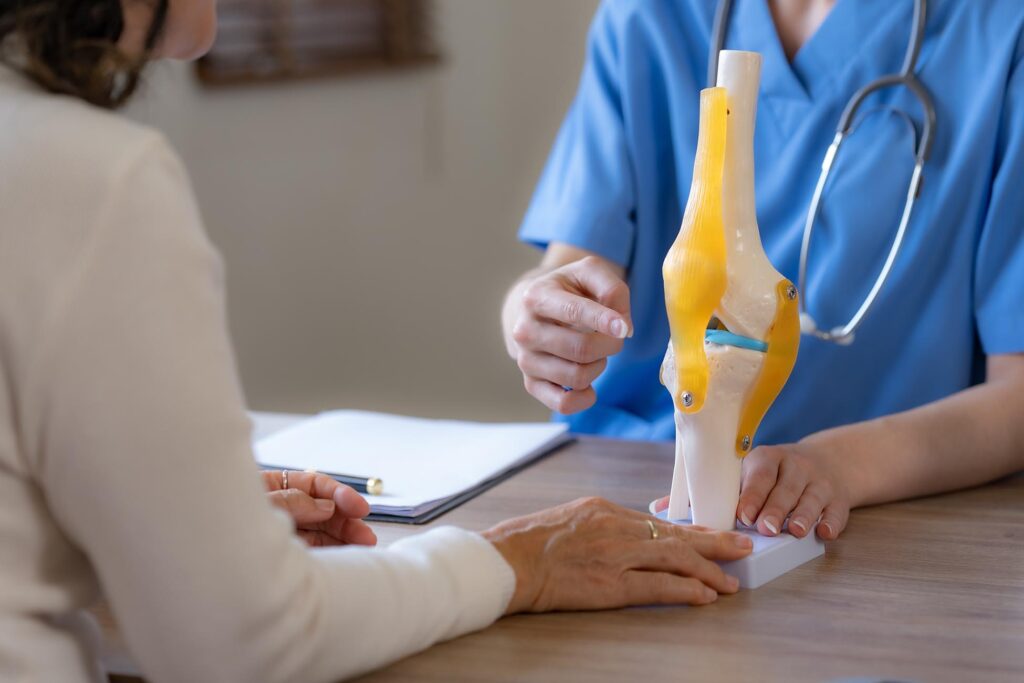
Also called arthroplasty, involves replacing damaged parts of a joint with artificial components (prostheses) to relieve pain, correct deformities, and restore mobility. It is a procedure indicated when other treatments have failed and the patient experiences severe pain, stiffness, or functional limitations.
Main objective: To eliminate pain, improve function, and allow the patient to resume daily activities.
Most common joints: Hip, knee, and shoulder.
Duration of effect: Prostheses typically last between 15 and 20 years, depending on the type of material and the patient’s activity level.
Medical Indications
Joint replacement is recommended in cases of:
- Advanced arthritis and osteoarthritis (cartilage wear).
- Rheumatoid arthritis with structural damage.
- Severe traumatic injuries that destroy the joint.
- Deformities that limit mobility.
- Typical symptoms: intense pain, stiffness, difficulty walking, muscle weakness, limited range of motion, and swelling.
Arthroscopic Surgery
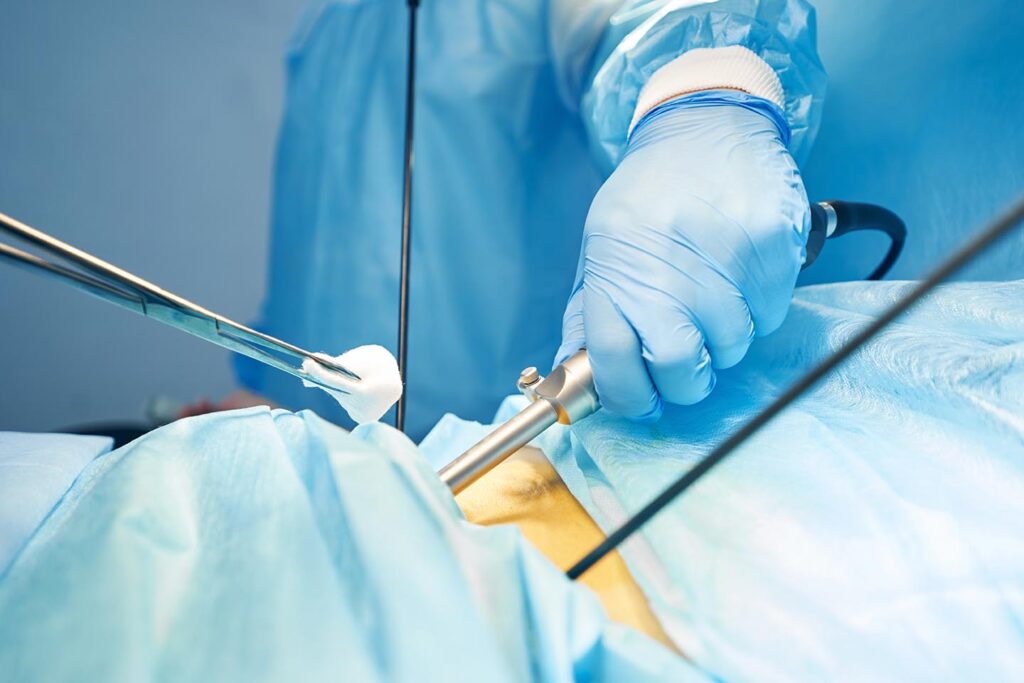
It is a minimally invasive procedure that uses a camera and small instruments to visualize, diagnose, and repair injuries inside the joint. It is recommended when conservative treatments are insufficient and allows for a faster recovery than open surgery.
What does it involve?
- Arthroscopy: An arthroscope (small camera) is inserted through tiny incisions to view the inside of the joint.
- Specialized instruments: Fine tools are used to repair cartilage, ligaments, or remove damaged fragments.
- Direct visualization: The surgeon views the internal structures on a screen in real time.
Applications in the shoulder:
- Rotator cuff injuries: Repair of torn tendons.
- Shoulder instability: Treatment of recurrent dislocations by repairing ligaments.
- Glenoid labral tears: Correction of tears that affect stability.
- Removal of loose bodies or calcifications.
Applications in the knee:
- Meniscus injuries: Resection or suture of tears.
- Anterior cruciate ligament (ACL): Reconstruction with grafts.
- Articular cartilage: Treatment of focal lesions.
- Removal of loose bodies or synovitis.