

What Is Regenerative Medicine?
Regenerative Medicine at a Glance
Regenerative medicine is a branch of medicine focused on repairing, replacing, or regenerating damaged cells, tissues, and organs — restoring the body’s normal structure and function rather than simply managing symptoms. By working with the body’s own natural healing mechanisms, regenerative medicine aims to address the underlying source of disease or injury, offering a fundamentally different approach from conventional treatments.
Why Regenerative Medicine Is Changing How We Think About Healing
For most of medical history, the goal has been straightforward: identify what is wrong and suppress it. Pain? Manage it. Inflammation? Reduce it. A worn-out joint? Replace it with hardware. This approach has saved countless lives and remains invaluable — but for millions of patients living with chronic conditions, it leaves a fundamental question unanswered: why isn’t the body healing itself?
Regenerative medicine starts there.
Rather than working around the body’s damage, regenerative medicine seeks to replace tissue or organs that have been damaged by age, disease, or trauma — addressing the source of the problem rather than focusing primarily on managing symptoms. It is, at its core, a different philosophy of care — one that treats the body not as a machine to be maintained, but as a living system with a remarkable, if sometimes dormant, capacity to repair itself.
That capacity is real. When injured or invaded by disease, our bodies have an innate response to heal and defend. What regenerative medicine does is work with that response — amplifying it, directing it, and, in some cases, restoring it where age or chronic disease has worn it down.
The idea that medicine could one day restore rather than merely replace has roots going back further than most people realize. The term «regenerative medicine» is widely considered to have been coined by William Haseltine during a 1999 conference on Lake Como, to describe an emerging field that brought together tissue engineering, cell transplantation, stem cell biology, biomechanics, and nanotechnology. But the underlying question — could the human body be coaxed into rebuilding itself? — is ancient. The regeneration of body parts is a rather common phenomenon in nature; a salamander can regenerate an amputated limb in several days. Humans are more limited, but the biology is there.
Over the past two decades, advances in cell biology, genetics, and materials science have moved regenerative medicine from a promising concept to a rapidly growing clinical reality. Cell-based therapies and products are on the market now, and many more are in advanced stages of being tested in patients. Discoveries and advances made by cell and molecular biologists, engineers, and clinicians have contributed to a paradigm shift from treatment-based to cure-based therapies.
And the momentum is only building. Major pharmaceutical companies are already investing heavily — Bayer has committed $250 million to a new cell therapy manufacturing facility, while the Novo Nordisk Foundation has pledged over $343 million to accelerate industrial-scale stem cell development. These are not bets on a distant future. They are investments in a field that is already delivering results for patients today.
For someone researching their options after years of managing a chronic condition, that distinction matters. Regenerative medicine doesn’t promise miracles — but it does ask a different, and often more hopeful, question: what if the body could be given what it needs to heal?
The Main Types of Regenerative Medicine

Regenerative medicine is not a single therapy — it is a family of approaches, each working through different biological mechanisms but united by the same core intention: helping the body repair what has been damaged. Understanding the main types gives patients a clearer picture of what treatment might actually involve, and why one approach might be recommended over another depending on the condition.
Stem Cell Therapy
Of all the tools in regenerative medicine, stem cells are perhaps the most remarkable — and the most misunderstood.
At their most basic, stem cells are the body’s raw material: undifferentiated cells with the unique ability to divide, self-renew, and develop into more specialized cell types. Bone, cartilage, muscle, nerve tissue — under the right conditions, stem cells can become any of these. They are characterized by their capacities for self-renewal, multi-directional differentiation, rapid proliferation, and relatively low immunogenicity — properties that are key to tissue repair and regeneration.
What makes stem cell therapy clinically significant is not just this versatility, but the range of mechanisms through which it can act. Cell-based therapies operate through various mechanisms, including cellular differentiation, secretion of bioactive molecules like growth factors and cytokines, modulation of immune responses, and facilitation of tissue repair and remodeling. In other words, stem cells don’t simply replace damaged tissue — they can also send signals that calm inflammation, recruit the body’s own repair processes, and create a more favorable environment for healing.
Several types of stem cells are used in clinical and research settings today, harvested from bone marrow, adipose (fat) tissue, or umbilical cord blood/tissue, as well as from endometrial tissue, which SCHI is a pioneer in. Among the most widely applied are mesenchymal stem cells (MSCs), which can be harvested from bone marrow, adipose (fat) tissue, or umbilical cord blood. MSCs possess anti-inflammatory and immunomodulatory properties that make them attractive for conditions ranging from graft-versus-host disease to osteoarthritis and Crohn’s disease. More recently, induced pluripotent stem cells (iPSCs) — adult cells that have been reprogrammed back to an embryonic-like state — have opened an entirely new frontier. iPSCs are capable of differentiating into virtually any cell type needed for therapy, and clinical milestones in 2025 include Phase II/III trials using iPSC-derived cells for both heart failure and Parkinson’s disease, with promising interim results.
At the same time, iPSC-based therapies remain under active investigation, particularly in terms of long-term safety and consistency. While the potential is significant, these treatments are not yet widely considered standard clinical practice, and ongoing research continues to refine their safety profile and therapeutic applications.
It is worth being clear-eyed about where the field stands. As of early 2025, the FDA had approved only one non-blood-related stem cell therapeutic — Ryoncil, a mesenchymal stem cell therapy for a severe immune condition in pediatric patients. Many applications remain in active clinical trials, and research is ongoing. That context matters for patients, because it helps distinguish between treatments supported by solid evidence and those that are still being studied. A qualified regenerative medicine provider will always be transparent about this distinction.
What is clear, even at this stage, is that stem cell therapy represents one of the most scientifically rich and rapidly advancing areas in all of medicine. The question is no longer whether it works in principle — but how to deliver it most effectively, safely, and consistently for each individual patient.
Platelet-Rich Plasma (PRP) Therapy
PRP therapy starts with a simple blood draw. The sample is spun in a centrifuge, separating and concentrating the platelets within the plasma, which is then injected into the target area. The result is a preparation with five to ten times the platelet count of a normal blood sample— and platelets, beyond their clotting role, contain growth factors that trigger cell reproduction and stimulate tissue regeneration.
The evidence base is solid. Level I evidence supports PRP’s efficacy in osteoarthritis, epicondylitis, bursitis, plantar fasciitis, and muscular injuries and its applications have expanded into dermatology, hair restoration, and wound care. Because it’s derived entirely from the patient’s own blood, the risk of rejection or allergic reaction is minimal.
At SCHI, we use a more advanced, refined, concentrated, and purified version of platelet growth factors called Platelet Lysate (PL). PL can be used as a stand-alone treatment (depending on the severity of the condition) or in combination with stem cells and other cofactors, as we do at SCHI.
Prolotherapy
Prolotherapy takes a counterintuitive but clinically grounded approach: deliberately triggering a healing response in tissue that has become chronically damaged and stalled. It introduces small amounts of an irritant solution — most commonly hypertonic dextrose — into degenerated tendons, joints, and ligaments to promote the growth of normal cells and tissue. This generates temporary low-grade inflammation, followed by cytokine release that promotes healing.
Recent studies show prolotherapy offers significant pain relief and functional improvement in knee osteoarthritis, often outperforming hyaluronic acid and corticosteroid injections. Its evidence base is still maturing, but its long track record and favorable safety profile make it a legitimate option for patients who haven’t found lasting relief elsewhere.
Exosome Therapy
Exosomes are nanoscale vesicles naturally secreted by cells — the body’s internal messaging system. Rather than replacing tissue directly, they work through communication: transporting proteins, lipids, and signaling molecules that modulate immune responses and promote tissue repair. They show high biocompatibility, low immunogenicity, and an ability to cross biological barriers that many conventional therapies cannot.
As of 2024, over 100 clinical trials are exploring exosome-based interventions across orthopedics, neurology, and wound healing. Intravenous exosome treatment remains unapproved by the FDA, and protocols are still being established — but among researchers, this is one of the most closely watched frontiers in regenerative medicine today.
What Conditions Can Regenerative Medicine Help With?
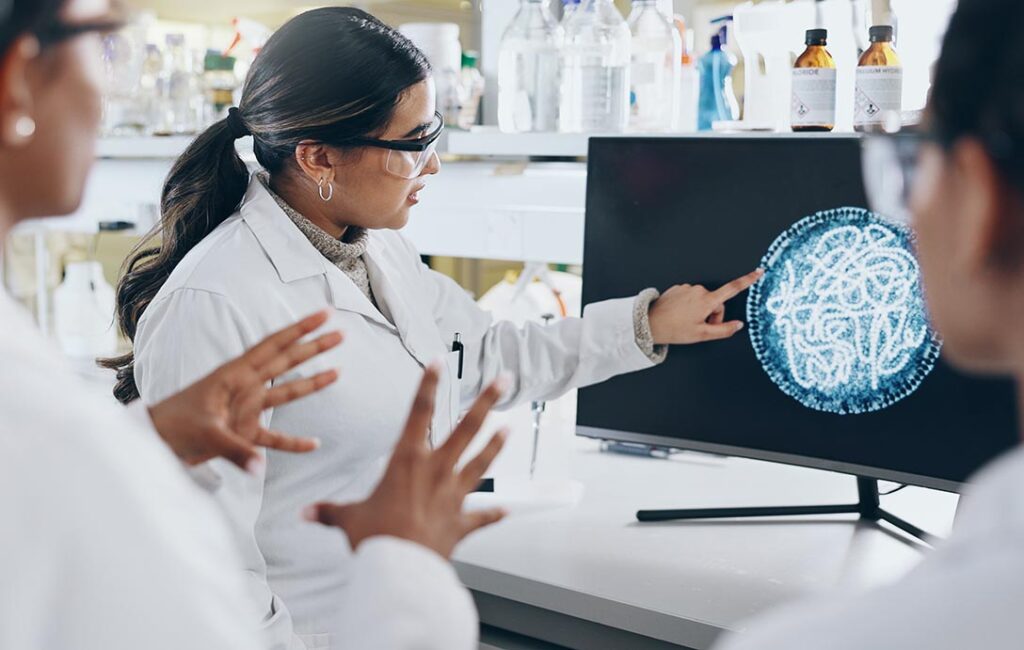
One of the most common questions patients ask is a practical one: Does this apply to me? The honest answer is that regenerative medicine covers a broad and expanding range of conditions, though the depth of evidence varies by application.
Orthopedic and joint conditions represent the most established territory. Regenerative medicine encompasses techniques to address cartilage, meniscus, tendon, ligament, bone, spinal disc, and muscle damage — making it particularly relevant for patients dealing with osteoarthritis, chronic joint pain, rotator cuff injuries, and sports-related injuries who want to avoid or delay surgery.
Autoimmune and inflammatory conditions are an area of growing clinical interest. MSCs in particular have demonstrated immunomodulatory properties that may help reduce inflammation and slow disease activity in conditions such as rheumatoid arthritis, lupus, and multiple sclerosis. A 2024 randomized trial evaluating MSCs in patients with multiple sclerosis showed promising outcomes, including a decrease in disease activity and improvement in quality of life.
Neurological applications are earlier in development but scientifically compelling. There has been success treating Parkinson’s disease using induced pluripotent stem cells and sickle cell disease using gene-editing technology, and broader neurological research is advancing rapidly.
Sports injuries and post-surgical recovery have become a mainstream application, with PRP and stem cell therapies increasingly used by both professional athletes and active patients seeking faster, more complete healing.
General wellness and healthy aging round out the picture — an emerging category as research explores regenerative medicine’s potential to address cellular decline, chronic inflammation, and age-related tissue degeneration.
What Does Regenerative Medicine Treatment Actually Look Like?
For many patients, regenerative medicine feels unfamiliar, and with that unfamiliarity often comes uncertainty. What actually happens during treatment? Is it closer to surgery, or something less intensive? In most cases, the experience is far more straightforward than people expect.
The process typically begins with a detailed consultation. This is not a one-size-fits-all approach. Physicians evaluate medical history, imaging (such as MRI or ultrasound), and the severity of the condition to determine whether a patient is a good candidate. Not every condition—or every patient—is appropriate for regenerative therapies, and a responsible provider will make that clear upfront.
From there, a personalized treatment plan is developed. This plan may involve one or a combination of therapies, such as platelet-rich plasma (PRP), bone marrow–derived cells, or adipose (fat)-derived cells, depending on the clinical goal and the available evidence for that indication.
The procedure itself is usually minimally invasive and performed in an outpatient setting. In many cases, it involves drawing blood or harvesting cells (for example, from bone marrow or fat tissue), processing them on-site, and then injecting the concentrated material into the targeted area under imaging guidance. Local anesthesia is commonly used, and the entire visit is often completed within a few hours, without the need for hospitalization.
Recovery tends to be notably different from traditional surgery. Because there are no large incisions or structural alterations, downtime is typically shorter. Patients may experience temporary soreness or inflammation at the injection site—often described as part of the body’s natural healing response—but most can resume light activity within days rather than weeks. That said, recovery protocols vary, and physical therapy or activity modification may still play an important role in optimizing outcomes.
Perhaps the most important distinction is how results develop. Regenerative medicine is not an immediate fix. Instead of replacing or removing damaged tissue, these therapies aim to stimulate the body’s own repair processes. Improvements often occur gradually over weeks to months as inflammation is modulated and tissue healing progresses. Some patients notice early symptom relief, while others experience more subtle, progressive gains over time.
This slower, biology-driven timeline can require patience—but it also reflects the fundamental goal of regenerative medicine: not just to manage symptoms, but to support the body in healing itself.
Is Regenerative Medicine Safe and Scientifically Supported?
As interest in regenerative medicine grows, so does an equally important question: how much of it is truly supported by science—and how much is still evolving? The answer, like the field itself, is nuanced.
From a safety standpoint, many commonly used regenerative therapies—such as platelet-rich plasma (PRP) and certain autologous (your own cells) procedures—have established safety profiles when performed appropriately. Because these treatments often use the patient’s own biological material, the risk of immune rejection is low. That said, “safe” does not mean risk-free. Infection, improper injection technique, or unregulated cell processing can introduce complications, particularly outside of well-controlled clinical settings.
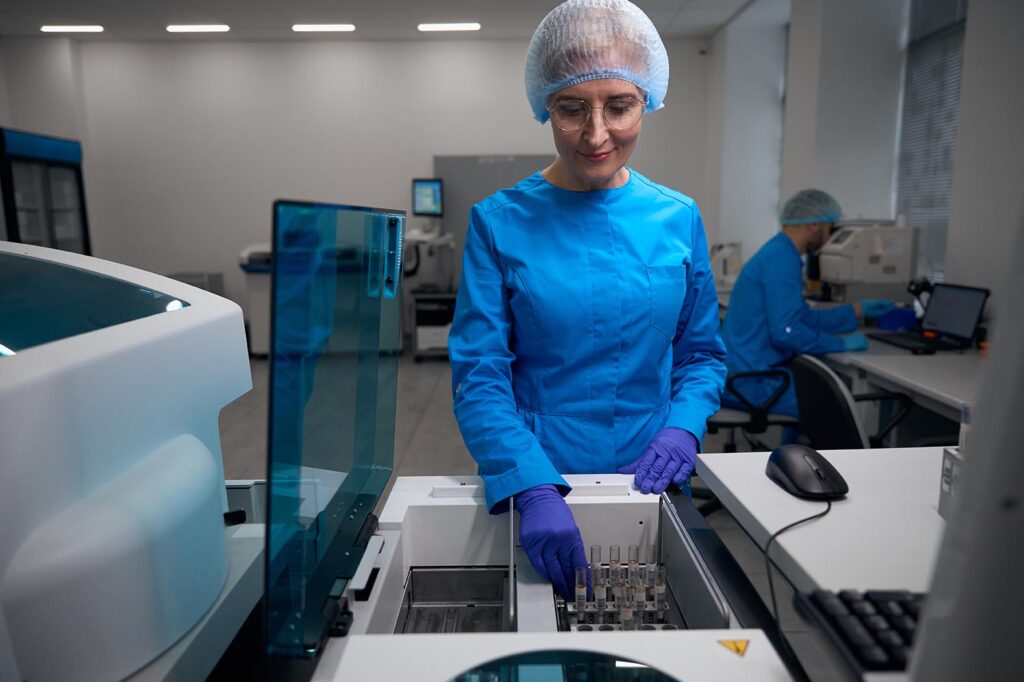
The scientific evidence is strongest in specific areas, especially within orthopedics and sports medicine. PRP, for example, has been studied extensively for conditions like knee osteoarthritis and tendon injuries, with multiple randomized controlled trials showing modest but meaningful improvements in pain and function for certain patients. Similarly, bone marrow–derived cell therapies have demonstrated potential in treating joint degeneration and soft tissue injuries, though results can vary depending on how the cells are prepared and applied.
Beyond these applications, the picture becomes more complex. Mesenchymal stem cells (MSCs) and other advanced therapies are being actively studied for autoimmune diseases, neurological disorders, and systemic conditions. Early-phase clinical trials and some larger studies show promise—but many of these uses remain investigational. In other words, the science is progressing, but it has not yet reached the level of consistency or standardization seen in more established treatments.
This is where regulation plays a critical role. In the United States, the U.S. Food and Drug Administration (FDA) oversees regenerative medicine products, particularly those involving more than minimal manipulation of cells or non-homologous use (using cells for a different function than they naturally perform). While certain procedures—like PRP prepared at the point of care—may fall within regulatory exceptions, many stem cell–based therapies require formal FDA approval or must be administered as part of approved clinical trials. Under these strict guidelines, PL is considered unapproved since it is not performed at the point of care because of the level of preparation involved. Many cell-based therapies require and are administered as part of approved clinical trials.
Regulations vary globally, and certain therapies are more widely available in other countries under different frameworks, very safely and effectively.
So how can patients identify a credible provider?
First, look for transparency. A reputable clinic should clearly explain what is known, what is still uncertain, and whether a given treatment is considered standard care or investigational. Be cautious of claims that sound absolute—phrases like “cure,” “guaranteed results,” or “works for everyone” are red flags in any area of medicine.
Second, evaluate credentials and clinical rigor. Ideally, treatments should be performed by board-certified physicians with relevant specialty training, using imaging guidance (such as ultrasound or fluoroscopy) to ensure precision. Participation in clinical research or registries can also signal a commitment to evidence-based practice.
Finally, consider how the treatment is positioned. The most trustworthy providers frame regenerative medicine as one option within a broader care plan—not a universal solution.
At its core, regenerative medicine sits at the intersection of established practice and scientific frontier. Some applications are well-supported and increasingly integrated into mainstream care. Others are still being tested, refined, and, in some cases, challenged by ongoing research.
Understanding that distinction is key. It allows patients to approach regenerative medicine not with skepticism or blind optimism—but with informed, grounded expectations.
Many patients also choose to explore care internationally to access a broader range of regenerative therapies, particularly when guided by experienced and reputable providers.
Frequently Asked Questions About Regenerative Medicine
Is regenerative medicine the same as stem cell therapy?
No. Stem cell therapy is one component of regenerative medicine, but the field is broader. Regenerative medicine also includes treatments like platelet-rich plasma (PRP), tissue engineering, and biologics that stimulate healing. Not all regenerative treatments involve stem cells, and not all stem cell therapies are appropriate or evidence-based.
Is regenerative medicine covered by insurance?
In most cases, regenerative medicine treatments are not covered by insurance. Therapies like PRP or stem cell procedures are often considered elective or investigational, depending on the condition. Coverage may vary for certain approved uses, so patients should verify directly with their provider and insurance company before proceeding.
How long does it take to see results from regenerative medicine?
Results typically develop gradually rather than immediately. Some patients notice early symptom relief within a few weeks, but meaningful improvement often occurs over several months. This reflects the body’s natural healing process, as regenerative therapies are designed to stimulate repair rather than provide instant symptom suppression.
Who is a good candidate for regenerative medicine?
Good candidates are typically those who want to avoid or eliminate medications or the need for surgery with little to no pain or downtime. These patients are seeking total body health as opposed to disease or symptom management. Overall health, the specific condition, and realistic expectations all matter. A thorough evaluation by a qualified physician is essential to determine whether regenerative treatment is appropriate and likely to be effective.
What is the difference between regenerative medicine and traditional medicine?
Traditional medicine often focuses on managing symptoms or repairing damage through medication or surgery. Regenerative medicine aims to restore function by supporting the body’s natural healing processes and reversing disease at the cellular level. While traditional treatments remain essential, regenerative approaches may offer an alternative in select cases.
Are regenerative medicine treatments FDA-approved?
Some regenerative treatments are approved by the U.S. Food and Drug Administration, but many remain investigational in the United States. Regulations vary globally, and certain therapies are more widely available in other countries under different frameworks. What matters most is choosing a reputable clinic that follows established medical standards and prioritizes patient safety.
Ready to Explore Whether Regenerative Medicine Is Right for You?
If you’re considering regenerative medicine, the most important first step is a thoughtful, individualized evaluation—not a commitment to treatment. At Stem Cell Healing Institute, the focus is on understanding your condition, your goals, and whether this approach is truly appropriate for you.
Every patient is different, and responsible care starts with clear answers. During your consultation, you can expect an honest assessment of your options, including what regenerative therapies may offer—and where traditional treatments may still be the better path.
If you’re ready to learn more, a conversation is a simple place to start.