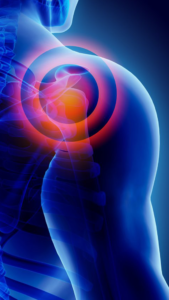

Stem cell therapy for back pain is an emerging regenerative treatment that targets the underlying causes of pain, such as disc degeneration and joint inflammation, rather than simply masking symptoms. By introducing concentrated stem cells into damaged spinal tissue, the therapy aims to stimulate the body’s own repair mechanisms. It is not a guaranteed cure, but for many patients who have exhausted conventional options, it represents a meaningful and less invasive path forward.
Key Takeaways:
- Stem cell therapy works by promoting tissue repair and reducing inflammation at the source of pain
- It is most commonly used for degenerative disc disease, facet joint pain, and chronic lower back conditions
- Treatment is minimally invasive and typically does not require hospitalization
- Results vary by patient, but many report significant pain reduction and improved mobility and quality of life
- Stem cell therapy is not a speculative experiment, it is an evolving clinical discipline with a growing evidence base, real patient outcomes behind it, and increasing scientific attention driving it forward
- The treatment is widely available at specialized clinics outside the United States, where regulatory frameworks differ
Why Back Pain Is So Difficult to Treat
Back pain is one of the most common medical complaints in the world, and also one of the most frustrating to resolve. According to the World Health Organization, lower back pain is the leading cause of disability globally, affecting an estimated 619 million people as of 2020. Yet despite how prevalent it is, finding lasting relief remains elusive for a significant portion of patients.
Part of the challenge is anatomical. The spine is a complex structure — vertebrae, discs, nerves, muscles, ligaments, and joints all working in close coordination. When something goes wrong, it is rarely isolated. A degenerating disc, for example, can alter the mechanics of surrounding joints, compress nearby nerves, and trigger muscle spasms as the body compensates. Treating one piece of that puzzle without addressing the others often leads to incomplete or temporary relief.
The other challenge is biological. Many of the tissues involved in chronic back pain, particularly intervertebral discs, have very limited blood supply and therefore a very limited ability to heal on their own. Once a disc degenerates, the body simply does not have efficient mechanisms to repair it. That biological reality is part of what makes chronic back pain so persistent, and part of what makes regenerative approaches like stem cell therapy so compelling.
The Problem With Conventional Treatments
Conventional treatments for back pain range from physical therapy and anti-inflammatory medications to epidural steroid injections and, in more advanced cases, surgical intervention. These approaches have their place, and for many patients they provide meaningful relief. But they also share a common limitation: most of them manage symptoms rather than address the structural or cellular damage driving the pain.
Anti-inflammatories and corticosteroid injections, for instance, can reduce swelling and provide temporary comfort, but they do not repair damaged tissue. There is also a subtler problem worth understanding: by effectively silencing the pain signal, these treatments can give patients a false sense of recovery. Pain, as uncomfortable as it is, serves a biological purpose. It is the body’s way of communicating that something is wrong and needs protection. When that signal is chemically suppressed without addressing the underlying damage, patients often return to their normal activities feeling better than their spine actually is, inadvertently accelerating the very degeneration the treatment was meant to manage.
Physical therapy can strengthen supporting muscles and improve posture, which helps, but it cannot regenerate a worn-down disc. Surgery can decompress nerves or fuse unstable vertebrae, but it is invasive, carries real risks, and does not always deliver the outcomes patients hope for.
When the Standard Playbook Stops Working
For a significant subset of patients, conventional treatments simply stop being enough. They cycle through physical therapy, try multiple medications, undergo one or more injection procedures, and still wake up every morning in pain. This is sometimes referred to as failed back treatment syndrome, a term that captures the clinical reality of patients who have done everything right and still haven’t found lasting relief.
It is often at this point that patients begin looking beyond the standard playbook. Not out of desperation, but out of a reasonable desire to find something that actually addresses the root of the problem. Stem cell therapy has emerged as one of the most promising options in that search, precisely because it takes a fundamentally different approach: instead of managing the damage, it attempts to repair it.
What Is Stem Cell Therapy for Back Pain?
Stem cell therapy for back pain is a regenerative medicine treatment that uses the body’s own repair cells to address damaged spinal tissue. Rather than blocking pain signals or removing problematic structures, the goal is to introduce biological material that can stimulate healing at the cellular level. It is a fundamentally different philosophy from conventional pain management, and that distinction matters when evaluating whether it might be right for you.

The procedure typically involves extracting stem cells from the patient’s own body, most commonly from bone marrow or adipose (fat) tissue, concentrating them, and then injecting them directly into the area of the spine that is causing problems. In some protocols, donor-derived stem cells are used instead.
At SCHI, the approach goes further still, combining multiple cell sources and a proprietary preparation method that sets it apart from most regenerative clinics. More on that below.
The specific approach depends on the clinic, the patient’s condition, and the type of cells being used.
How Stem Cells Target the Source of Pain
Stem cells are the body’s raw material — undifferentiated cells that have the ability to develop into more specialized cell types and to support tissue repair. When introduced into a damaged environment, they do several things that are relevant to back pain.
First, they release signaling molecules called growth factors and cytokines that help regulate inflammation and recruit other repair cells to the area. Second, depending on the type and condition, they may differentiate into the specific cell types needed to rebuild damaged tissue, including chondrocytes, which are the cells that make up cartilage and disc material. Third, they appear to create a more favorable biological environment for healing, essentially shifting the tissue from a degenerative state toward a regenerative one.
It is worth being clear about what this means in practice. Stem cell therapy does not regrow a disc from scratch or instantly reverse years of degeneration. What it can do, based on current evidence, is slow the degenerative process, reduce the inflammatory response that drives much of the pain, and in some cases promote meaningful tissue repair that translates into real functional improvement.
What Types of Stem Cells Are Used?
Not all stem cell treatments are the same, and understanding the differences helps set realistic expectations. Most regenerative clinics work with one or two cell sources. The two most commonly used are:
Bone Marrow Aspirate Concentrate (BMAC): Extracted from the iliac crest (the back of the hip), bone marrow is rich in mesenchymal stem cells (MSCs), which have a strong affinity for musculoskeletal and spinal tissue repair. It is one of the most well-researched sources in regenerative medicine.
Adipose (fat) tissue: Harvested through a minor liposuction procedure, fat-derived stem cells are abundant and relatively easy to collect. Research suggests they are comparably effective to bone marrow-derived cells in many musculoskeletal applications, making them a practical and versatile option.
Both are autologous, meaning they come from the patient’s own body, which minimizes rejection risk and makes them a safe foundation for treatment.
Where SCHI’s Approach Goes Further
What distinguishes the Stem Cell Healing Institute from many regenerative clinics is the breadth of its cell source protocol. In addition to bone marrow and adipose-derived cells, SCHI incorporates two additional sources that are less commonly available:
Umbilical cord stem cells: Derived from ethically donated umbilical cord tissue, these cells are young, highly potent, and carry powerful anti-inflammatory and regenerative properties. Because they come from neonatal tissue, they tend to be more biologically active than adult-derived cells, an important advantage when the target tissue, such as a degenerated spinal disc, has a limited natural capacity to heal.
Endometrial stem cells: SCHI is among a small group of pioneering clinics working with endometrial-derived stem cells, which have demonstrated a notable capacity for tissue regeneration and immune modulation. This is an area where the clinic has developed particular expertise.
Each cell source brings distinct biological characteristics to the treatment. Bone marrow cells excel at structural musculoskeletal repair. Adipose cells offer volume and versatility. Umbilical cord cells contribute potency and anti-inflammatory signaling. Endometrial cells add regenerative and immune-modulating depth. Rather than relying on a single source, SCHI combines these into proprietary stem cell protocols tailored to each patient’s diagnosis and condition.
Growing Your Own Stem Cells: SCHI’s Proprietary Autologous Expansion Method
One of the most distinctive aspects of SCHI’s protocol is its proprietary method for expanding a patient’s own autologous stem cells prior to treatment.
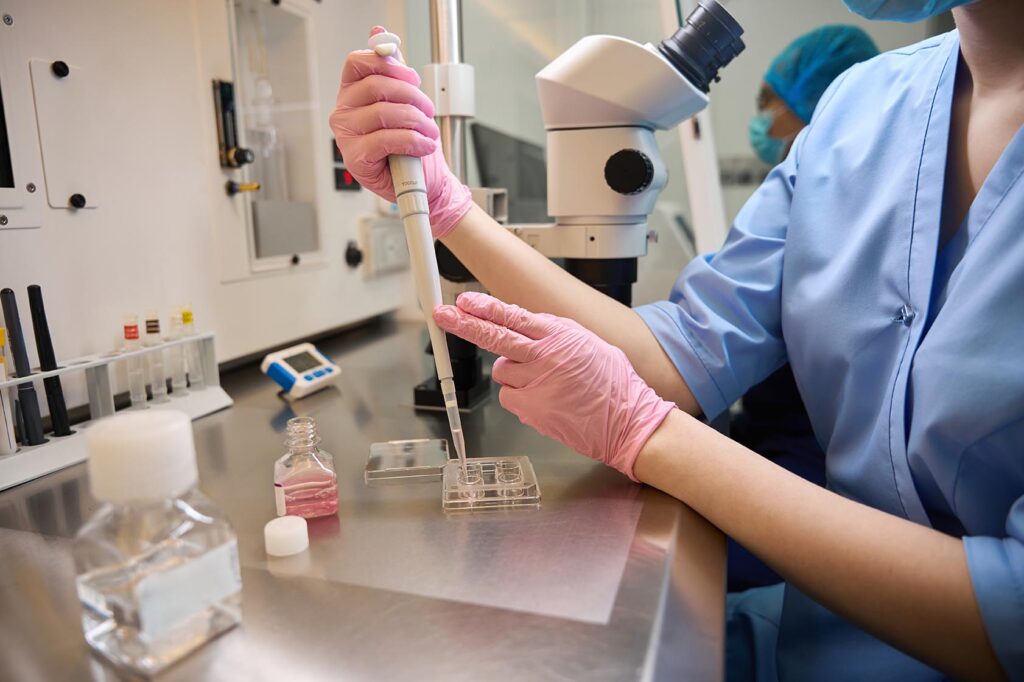
Rather than relying solely on the volume of cells harvested in a single session, SCHI has developed a non-toxic process for cultivating and growing the patient’s own cells to significantly higher numbers before reinjection. The result is a far more potent autologous cell preparation than a standard harvest alone can produce. But SCHI doesn’t stop there. That expanded autologous base is then combined with allogeneic donor cells and growth factors, creating a comprehensive cellular cocktail that goes well beyond what a single-source harvest can achieve. Most clinics work within the limits of one procedure and one cell source. SCHI’s protocol is built on the premise that combining the best of both autologous and donor-derived biology, augmented with growth factors, produces the most therapeutically effective preparation possible.
This matters because cell quantity is one of the key variables in regenerative outcomes. More viable, high-quality cells introduced into a damaged spinal structure means a stronger regenerative signal and a greater probability of meaningful tissue repair.
To further maximize therapeutic potential, SCHI combines this expansion process with a specialized stem cell cocktail that incorporates exosomes and platelet lysate. Exosomes act as a cellular messaging system, delivering immediate anti-inflammatory signals and tissue repair instructions to the treatment site, while platelet lysate provides a nutrient-rich blend of natural growth factors that fuels stem cell survival, migration, and multiplication. Together, these components create a powerful synergistic effect: bypassing the typical survival challenges faced by injected stem cells, accelerating the healing timeline, stimulating new blood vessel growth, and allowing for highly personalized treatments tailored to the specific biological environment of each patient’s condition. Combined with SCHI’s multi-source protocol, this approach places the clinic’s treatment offering in a category of its own.
What Does the Research Say?
Stem cell therapy for back pain is not fringe medicine. A growing body of peer-reviewed research supports its potential, particularly for conditions involving disc degeneration and chronic spinal inflammation. That said, it is still an evolving field, and intellectual honesty requires acknowledging that large-scale, long-term clinical trials are still catching up to clinical practice.
What the current evidence does show is encouraging.
Evidence for Disc Degeneration
Intervertebral disc degeneration is one of the most common drivers of chronic back pain, and it is also one of the most studied targets for stem cell intervention. A 2021 systematic review published in the journal Stem Cells International found that MSC-based therapies showed consistent promise in reducing pain and improving functional outcomes in patients with degenerative disc disease, with several trials reporting statistically significant improvements sustained at 12 months or beyond.
The proposed mechanism is well-supported: MSCs appear to reduce the inflammatory cytokines that accelerate disc breakdown while simultaneously promoting the regeneration of nucleus pulposus cells, the specialized cells that give healthy discs their shock-absorbing capacity.
Evidence for Facet Joint and Nerve-Related Pain
Research on stem cell therapy for facet joint degeneration and nerve-related back pain is less extensive than for disc degeneration, but it is growing steadily and the direction is encouraging. Early clinical studies suggest that MSC injections into facet joints can reduce pain and improve mobility in patients who have not responded adequately to corticosteroid injections. For nerve-related pain, the anti-inflammatory and neuroprotective properties of MSCs are an area of active investigation, with preliminary results showing meaningful symptom reduction in select patient populations.
What we can say with confidence is that the science is promising, the clinical results reported by both practitioners and patients are compelling, and the research trajectory is clearly moving in a positive direction. Stem cell therapy for back pain is not a speculative experiment. It is an evolving clinical discipline with a growing evidence base, real patient outcomes behind it, and increasing scientific attention driving it forward.
Stem Cell Therapy vs. Conventional Treatments: How Do They Compare?
For most back pain patients, the journey to considering stem cell therapy follows a familiar path: physical therapy, medications, injections, and sometimes surgery. Each of these has genuine value, but each also has a ceiling. Understanding where stem cell therapy fits relative to these options helps frame it not as a replacement for conventional care, but as a meaningful next step when conventional care is no longer enough.
| Treatment | Addresses Root Cause | Invasiveness | Recovery Time | Durability |
|---|---|---|---|---|
| Physical Therapy | Partially | None | None | Moderate |
| Anti-inflammatory Medication | No | None | None | Temporary |
| Corticosteroid Injections | No | Minimal | Minimal | Temporary |
| Surgery | Partially | High | Weeks to months | Variable |
| Stem Cell Therapy | Yes | Minimal | Minimal | Potentially long-term |
A few points worth highlighting from that comparison:
- Most conventional treatments are symptom-focused. They reduce pain, improve function, and buy time, but they do not address the underlying tissue damage driving the condition.
- Surgery is the one conventional option that does intervene structurally, but it does so by removing or stabilizing tissue rather than regenerating it, and it carries meaningful procedural risk.
- Stem cell therapy is the only approach on that list that is both minimally invasive and directly aimed at tissue repair and regeneration.
That distinction does not make it automatically superior for every patient. But for those who have plateaued with conservative care and want to avoid or delay surgery, it represents a qualitatively different option worth serious consideration.
Who Is a Good Candidate for Stem Cell Therapy?
Stem cell therapy for back pain is not a one-size-fits-all solution, and a reputable clinic will never present it as one. Candidacy depends on a combination of diagnosis, medical history, overall health, and realistic expectations. The good news is that the range of conditions that respond well to treatment is fairly broad.
Conditions That Respond Well
Patients who tend to see the most meaningful results include those dealing with:
- Degenerative disc disease: One of the strongest indications for stem cell therapy, particularly in the lumbar (lower) spine
- Facet joint degeneration: Chronic joint inflammation that has not responded adequately to injections or physical therapy
- Sacroiliac joint dysfunction: A frequently underdiagnosed source of lower back and hip pain that responds well to regenerative approaches
- Mild to moderate disc herniation: Where inflammation and nerve irritation are present but structural damage has not progressed to the point of requiring surgical decompression
- Chronic lower back pain with an identifiable structural or inflammatory component
Who May Not Benefit
Equally important is being clear about limitations. Stem cell therapy is generally not recommended for patients with:
- Severe spinal instability or advanced structural deformity requiring surgical correction
- Active infection or malignancy
- Unrealistic expectations about speed or certainty of results
A thorough pre-treatment evaluation, including imaging and a detailed clinical history, is essential to determine whether stem cell therapy is appropriate. At SCHI, every patient undergoes this assessment before any protocol is recommended.
What to Expect From Treatment
One of the most common questions patients have is straightforward: what actually happens? Understanding the process from consultation to recovery helps set realistic expectations and removes much of the anxiety that comes with considering any unfamiliar medical procedure.
The Process, Step by Step
- Initial consultation and evaluation: Before anything else, the clinical team reviews the patient’s medical history, imaging studies, and current symptoms to confirm candidacy and design an appropriate protocol.
- Cell harvesting: Depending on the protocol, stem cells are collected from the patient’s bone marrow, adipose tissue, or a combination of sources. Donor-derived cells, such as umbilical cord or endometrial stem cells, may also be incorporated based on the treatment plan.
- Cell processing and expansion: At SCHI, harvested cells go through the clinic’s proprietary expansion process, increasing the volume and potency of the final preparation before treatment.
- Injection: Stem cells are delivered via targeted injection into the affected spinal structures, guided by imaging for precision. The procedure itself is minimally invasive and typically completed in a single session.
- Post-treatment monitoring: Patients receive follow-up guidance and are monitored for response over the weeks and months following treatment.
Recovery and Timeline
Recovery from stem cell therapy is generally straightforward. Most patients experience mild soreness at the injection site for a few days, but there is no hospitalization required and downtime is minimal compared to surgical alternatives.
As for results, patience is important. Stem cell therapy works with the body’s biological processes, which take time. Many patients begin noticing improvements in pain and mobility within six to twelve weeks, with continued progress over the following months. Some report more gradual improvements that develop over a longer arc. Individual responses vary, and a realistic outlook is one that measures progress over months rather than days.
Why Patients Travel Abroad for Stem Cell Therapy
For many patients, the decision to seek stem cell therapy abroad is less about adventure and more about access. In countries like the United States, Canada, and much of Western Europe, regenerative stem cell treatments for back pain remain largely outside the mainstream medical system. Regulatory frameworks in these countries have not yet caught up to the clinical evidence, which means that many of the protocols available at specialized international clinics simply are not offered at home.
This is not a fringe phenomenon. Medical travel for regenerative medicine has grown steadily over the past decade, driven by patients who have done their research, consulted their physicians, and concluded that waiting for regulatory approval is not a viable personal strategy when the pain is real and the options at home are exhausted.
Guatemala offers a compelling combination of factors for this type of care: a well-developed medical infrastructure, proximity to the United States and Canada, and a regulatory environment that permits advanced regenerative protocols that remain restricted elsewhere. Guatemala City is easily accessible by direct flights from most major North American cities, making the logistics of treatment far more manageable than many patients initially expect.
At SCHI, international patients are supported throughout the entire process. The clinic coordinates care with the full medical travel experience in mind, from initial remote consultation through treatment and follow-up, so that patients can focus on what matters most: their recovery.
Frequently Asked Questions
Is stem cell therapy for back pain safe? When performed by qualified practitioners using properly processed cells, stem cell therapy has a strong safety profile. Because most protocols use the patient’s own cells, the rejection risk is minimal to none. Side effects, when they occur, are typically mild and temporary, such as localized soreness at the injection site.
How many treatment sessions are needed? Most patients undergo a single treatment session, though some conditions or protocols may call for follow-up treatments. This is determined during the initial evaluation based on the patient’s diagnosis and response to treatment.
How long do the results last? Results vary by patient and condition. Some patients report sustained improvement for several years following treatment. Because stem cell therapy aims to address the underlying tissue damage rather than simply mask symptoms, the effects tend to be more durable than those of injections or medication.
Is stem cell therapy covered by insurance? In most countries, regenerative stem cell treatments are not yet covered by standard health insurance plans. Patients typically pay out of pocket, which is one reason that internationally based clinics, where costs are often significantly lower than in the US or Western Europe, have become an attractive option.
How do I know if I am a candidate? The only reliable way to determine candidacy is through a thorough clinical evaluation. SCHI offers initial consultations with the doctor, which is unique because other clinics don’t offer that very often for prospective patients to review their history, imaging, and symptoms before any treatment is recommended.
Is Stem Cell Therapy for Back Pain Right for You?
Chronic back pain has a way of narrowing life gradually, limiting movement, disrupting sleep, and quietly reducing the things a person feels able to do. For patients who have worked through the conventional options without finding lasting relief, stem cell therapy represents something genuinely different: a treatment aimed at the biology of the problem, not just its symptoms.
The science is advancing, the clinical evidence is growing, and the patients seeking this care are increasingly informed, deliberate, and clear-eyed about what they are looking for.
If you have been living with persistent back pain and want to understand whether stem cell therapy might be appropriate for your specific condition, the Stem Cell Healing Institute offers personalized consultations to help you explore your options. The conversation starts with your history, your imaging, and your goals — and goes from there.
Contact SCHI today by filling out the form below, or schedule your one-on-one consultation with the doctor and take the first step toward a more informed decision about your back pain treatment.